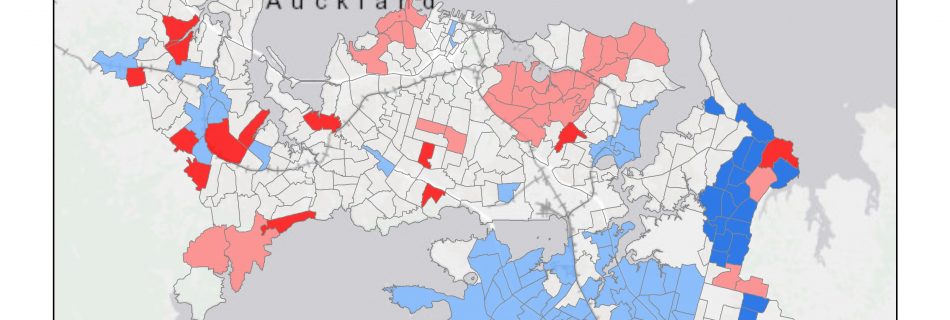
The Equity Implications of Auckland Transport’s Road Pricing Scheme
Introduction Auckland Transport’s road pricing scheme aims to address the city’s growing congestion issues. While the scheme’s economic objectives are clear, its social implications, particularly on lower socioeconomic communities, warrant closer examination. Two weeks ago, I wrote a LinkedIn post highlighting areas where individuals with lower socioeconomic status will face higher travel costs due to …
Read more “The Equity Implications of Auckland Transport’s Road Pricing Scheme”